Roblox-Style Worlds and Mobile Game UGC: How to Pay Developers Building Inside Your Game (Oct 2026)
Players are creating content in your game, and you want to pay them for it. That decision puts you in the payments business. Suddenly your roadmap includes KYC onboarding, multi-currency routing, 1099 tax forms, and global support tickets. Roblox developer payments and Fortnite engagement pools prove UGC game economy payouts work, but they required years of infrastructure engineering. We'll walk through how leading platforms structure game creator payouts, where manual compliance work slows you down, and when embedding a payout API cuts months off your launch timeline.
TLDR:
- Cut months off your UGC monetization launch by embedding a payout API instead of patching together separate KYC, tax, and routing tools.
- Roblox distributed $1.5 billion to creators in 2025 but creators take home only 28 cents per dollar after DevEx fees and infrastructure costs.
- Collect W-9s, verify identity, and file 1099s before releasing funds once creators cross $600 in annual earnings.
- International creators lose 5-12% to currency conversion and cross-border routing friction without unified multi-rail infrastructure.
- Dots bundles KYC verification, automated tax filing, and fund routing across 300+ networks in 190 countries under one contract.
How Roblox-Style UGC Payout Programs Work
User-generated content games rely on distinct financial models to distribute earnings. Moving money from players to creators typically follows one of two approaches:
- The direct exchange model mirrors roblox developer payments, where players buy virtual currency for items. Creators accumulate this digital money and cash it out, though these setups require a minimum balance and Know Your Customer (KYC) identity verification before converting to fiat currency.
- The engagement pool model relies on shared revenue distributed by player engagement metrics instead of direct transactions. Epic Games pioneered this approach by allocating a percentage of Item Shop revenue to creators based on time spent and activity in their maps. Creators earn without selling items directly, and Epic controls the total payout pool while rewarding content that keeps players active.
Roblox Developer Exchange: Thresholds, Rates, and Payment Timing
The Developer Exchange (DevEx) runs the largest financial system in user-generated gaming, distributing $1.5 billion in game creator payouts during 2025. Accessing these UGC game economy payouts requires clearing a strict 30,000 Robux minimum balance before cashing out. Developers must also maintain verified email, pass identity verification, and hold a good account standing for at least 90 days. Roblox converts Robux to USD at $3.50 per 1,000 Robux, meaning the 30,000 minimum translates to $105 per withdrawal.
Fortnite Creative Engagement Payouts: The 40% Revenue Pool Model
Epic Games funds game creator payouts without relying on direct digital item sales. The publisher directs 40% of eligible Item Shop net revenue straight into an engagement pool. This system distributes capital based strictly on player behavior.
Calculations depend on tracking criteria defined in Epic's payout documentation: player time in your island, party size, and engagement depth all factor into the final payment. Epic recalculates the pool monthly and distributes funds based on each creator's share of total qualifying engagement across the system. Creators must reach $100 in accumulated earnings before Epic processes a payout, and payments arrive approximately 45 days after the end of each monthly cycle.
Revenue Share Across UGC Ecosystems: Who Takes What
Gross revenue figures obscure the actual economics of user-generated gaming. Developers must subtract heavy infrastructure costs before receiving funds.
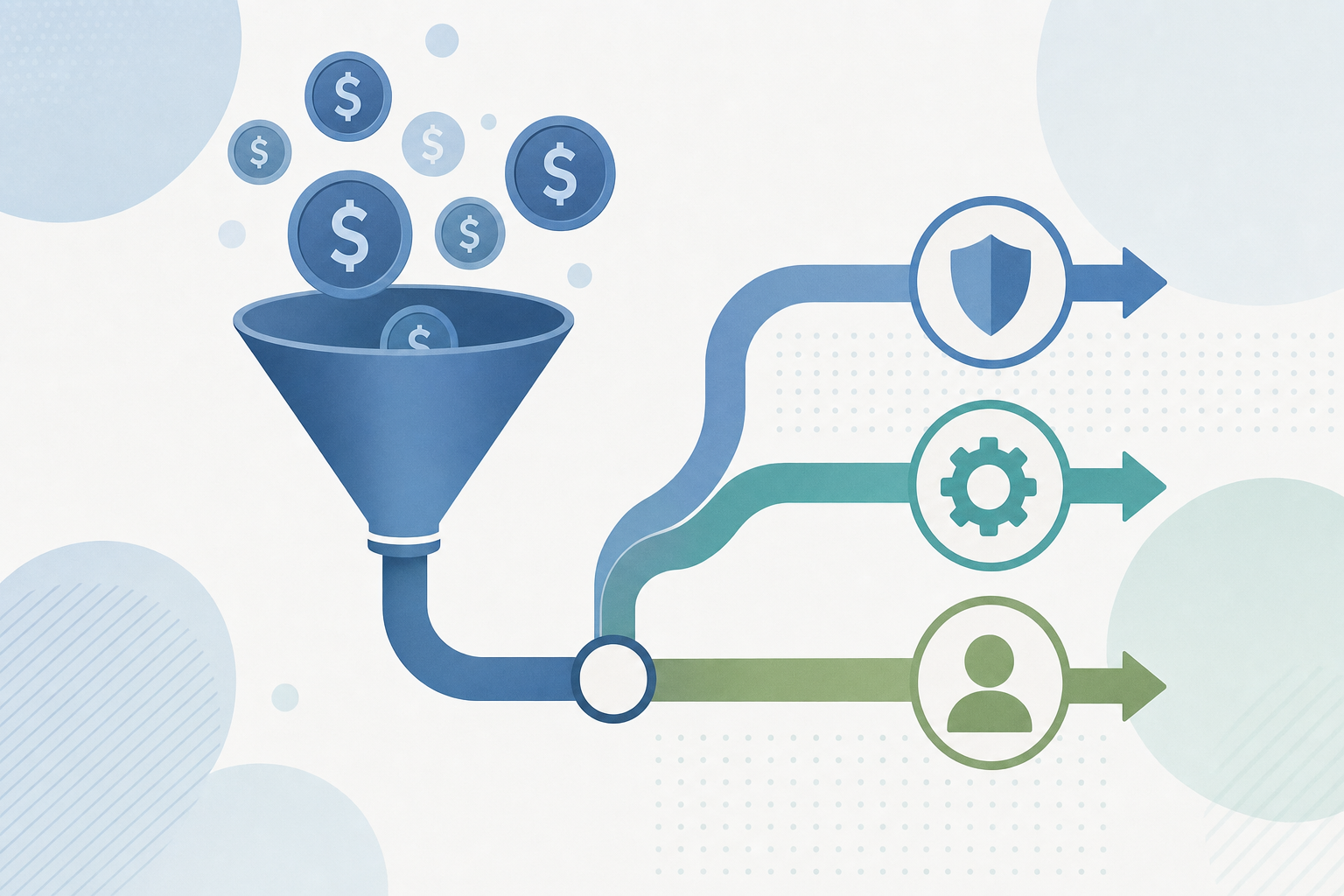
Roblox developer payments sit near 28 cents per dollar spent. The effective DevEx payout rate remains 28% in 2025, unchanged from prior years despite Roblox growth. Players spend $12.50 to acquire 1,000 Robux, but creators receive only $3.50 when cashing out that same amount through DevEx. DevEx fees, currency conversion spreads, and infrastructure overhead consume the remaining 72% before funds reach developer accounts.
Tax Compliance and 1099 Requirements for Game Creators
The IRS taxes virtual currency conversions as fiat income. Any service issuing game creator payouts needs strict reporting architecture.
You must collect W-9s and verify recipient identity before releasing funds. Once earnings cross federal thresholds, your system issues 1099 forms and files data with the government.
Missing or incorrect Taxpayer Identification Numbers (TINs) trigger backup withholding at 24%. Instead of reaching the creator, that 24% goes straight to the IRS until the creator fixes their tax record. International creators require a W-8BEN form instead of a W-9, and those forms expire every three years, meaning you need a recollection workflow built in from day one.
State-level reporting adds another layer. Several states set their own 1099 thresholds below the federal $600 floor, which means your reporting logic has to account for where each creator resides, not just what they earned in total.
Manual paperwork fails at scale. Typos on tax documents freeze accounts and delay payouts.
Payment Infrastructure Challenges: KYC, Cross-Border Rails, and Payout Speed
Managing global game creator payouts requires solving complicated currency conversion and routing logic. International builders lose 5-12% to friction.
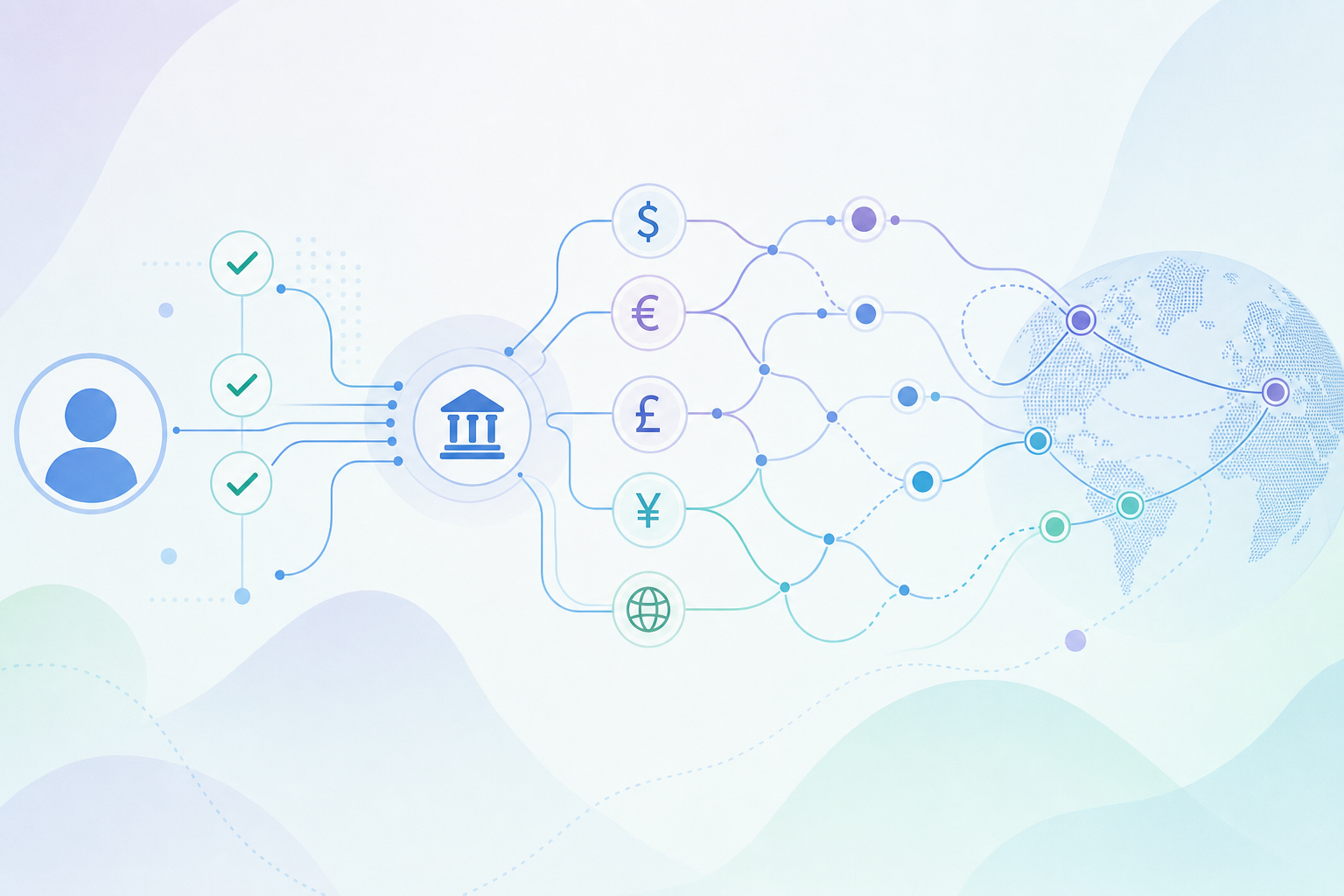
Before processing ugc game economy payouts, you must run Know Your Customer (KYC) identity verification checks. A standard KYC flow covers three layers: government-issued ID document verification, sanctions screening against OFAC, EU, and UN watchlists, and address verification matched against the submitted ID. Each layer requires a separate vendor integration if you build in-house.
International routing compounds the friction. Payments sent via SWIFT pass through one or more correspondent banks, each charging $15 to $40 per transaction before funds reach the recipient. Local rails like UPI in India, PIX in Brazil, and SEPA in Europe settle faster and cost less, but each requires a separate regional integration. Verified recipients face high payout minimums to offset wire fees, which locks out smaller creators who haven't yet hit the threshold to make the transaction economics work.
Building a Game Creator Payout System: When to Build vs. Buy
Launching UGC monetization forces a build-or-buy choice for your tech stack. Assembling in-house systems to handle roblox developer payments requires heavy engineering logic. Your team must connect independent tools for identity verification and multi-rail routing.
Payout Capability | In-House Architecture | Embedded API |
|---|---|---|
Fund Delivery | Patching disparate networks | Single endpoint |
KYC Verification | Separate vendor contracts | Built-in identity checks |
Tax Compliance | Manual W-9 collection and 1099 filing | Automated form collection and IRS filing |
Currency Conversion | Negotiating FX rates per corridor | Transparent rates across 190 countries |
Recipient Support | Your internal ops team handles tickets | White-labeled support included |
How Dots Powers UGC Game Creator Payouts at Scale
Dots handles the entire payment lifecycle for user-generated content games. Your service can go live in under a week. Our API bundles KYC, tax collection, and routing across 300+ networks in 190 countries, plus recipient support, under one contract. Here is what that covers in practice:
- Verifies payee identity against KYC requirements, including sanctions screening, before any funds move.
- Collects W-9s and W-8BENs at creator onboarding and matches TINs against IRS records in real time.
- Routes funds across local rails in each country to cut correspondent bank fees and settle faster than SWIFT-only paths.
- Generates 1099s and files them with the IRS automatically at year-end based on each creator's payment history.
- Provides white-labeled recipient support so your creators get payout help without your ops team handling every ticket.
Final Thoughts on Running Global Game Creator Payouts
Managing roblox developer payments or any UGC game economy payouts comes down to speed and compliance cost. Manual systems break when you hit scale because tax filing, identity checks, and multi-currency routing each need separate tools. An embedded API consolidates that work so your operators stop chasing paperwork and your creators stop waiting on holds. Contact our team to review your payout flow.
FAQ
Can I build a UGC creator payout system without engineering a custom compliance stack?
Yes. Modern payout APIs bundle KYC verification, tax-form collection, and multi-rail routing through a single integration. Dots delivers identity checks, 1099 automation, and fund routing across 300+ networks in one contract, letting you go live in under a week without stitching together separate compliance tools.
Roblox DevEx vs. Fortnite Creative payouts: which model fits a new UGC game?
Roblox's direct exchange model requires players to buy virtual currency that creators cash out, while Fortnite's engagement pool distributes a fixed revenue percentage based on player behavior. Choose direct exchange if you want item-sale transactions tied to specific creators; choose an engagement pool if you prefer allocating shared revenue by time-spent or activity metrics.
How do tax requirements change when game creator payouts cross $600?
Once a creator earns $600 or more in a calendar year, you must collect a W-9, verify their TIN, and file a 1099 form with the IRS. Manual paperwork breaks at scale: automated tax systems pull recipient data at onboarding, match TINs in real time, and generate 1099s without manual input.
What's the actual take-home rate for developers on Roblox?
Roblox developer payments deliver 28 cents per dollar players spend after DevEx fees and currency conversion. The DevEx rate converts 1,000 Robux to $3.50 USD, but players pay $12.50 to buy that same 1,000 Robux: infrastructure and monetization costs consume 72% before funds reach creators.
When should I use an embedded payout API instead of building in-house?
Switch to an embedded API when assembling disparate tools for KYC, tax filing, and cross-border routing takes longer than your launch window. In-house systems require patching independent vendors for identity verification and currency conversion; a unified API delivers compliance, multi-rail routing, and recipient support under one contract in under a week.