Net 30 Payment Terms Explained: Complete Guide November 2026

Net 30 means a customer has 30 calendar days from the invoice date to pay the full invoice amount, including weekends and holidays. Most sellers print it on every invoice because competitors do, but it is a financing decision: you front materials, labor, and overhead for a full month while your client holds onto their cash. Our position is simple: offer net 30 only to buyers you would trust with a short-term loan, and never pass the 30-day gap down to the contractors who do the work. This guide covers penalty clauses, early payment discounts, and modern alternatives that skip the waiting game entirely.
TLDR:
- Net 30 means full payment is due 30 days from the invoice date, not delivery date.
- 56% of small businesses are owed money from unpaid invoices, averaging $17,500 each, which is a separate measure from the 23% of invoices paid within 30 days.
- Early payment discounts like 2/10 net 30 save buyers 2% for paying within 10 days.
- A payouts API removes net 30 delays for your own contractors by moving funds through 300+ payment rails globally.
- Dots sends payments instantly to contractors across 190+ countries in seconds, not weeks.
What Net 30 Means on an Invoice
Net refers to the total amount owed after applying any prior deductions or credits to the account, while 30 sets the number of days a buyer has to pay, counted from the official invoice date. The clock never waits until clients receive their goods.
To find a net 30 due date, count forward 30 calendar days from the invoice date, including weekends and holidays. For example, an invoice dated January 5th (a 31-day month) is due on February 4th. Once an invoice is issued, always calculate the due date from that actual invoice date, not from today's date.
Contracts can start the countdown at the invoice, shipment, delivery, or acceptance date, and an unstated trigger leads to disputes like this:
- The seller sends an invoice with net 30 terms.
- The seller counts the 30 days from the invoice date.
- The buyer counts from the day the invoice arrived, so the two sides disagree on the due date.
Name the trigger date explicitly in the contract or invoice terms before the sale to avoid the mismatch.
How Net 30 Payment Terms Work in Practice
When offering a net 30 payment contract, you act as a bank. You supply a temporary loan to your buyer while fronting all material and labor costs upfront. This arrangement puts immediate pressure on your working capital because you're covering payroll, supplies, and overhead while waiting a full month for revenue to arrive. The gap between your expenses and incoming payments widens with every new project, forcing you to maintain larger cash reserves just to keep operations running smoothly.
For example, if you issue an invoice dated May 1st, the net 30 due date falls on May 31st, regardless of weekends or holidays in between.
Why Net 30 Is Bad for Cash Flow (and When It Makes Sense)
Beyond defining the due date, net 30 carries a cost: flexible payment windows build trust and encourage repeat orders, but that goodwill comes at a direct cost to your operating budget. The 30-day gap between issuing an invoice and receiving cash forces you to fund your entire operation out of pocket while clients hold onto their money.
Cons of Offering Net 30:
- Payroll pressure mounts fast. You still owe contractors and staff on their schedule, not your client's payment schedule. If you run multiple projects at once, that gap multiplies.
- Growth stalls at the worst moment. You cannot take on new work, hire, or buy inventory when your capital is tied up waiting on last month's invoices.
- Late payments compound the damage. Per Monitor Daily's coverage of recent B2B payment surveys, only 23% of invoices are paid within 30 days. Each late invoice extends how long you fund payroll and supplies yourself.
- You absorb all the risk. Your client keeps their cash earning interest or funding their own operations. You get a promise and a due date.
That said, net 30 does make sense in specific situations. Extending terms is a reasonable trade-off when the relationship or deal size warrants it.
Pros of Offering Net 30:
- Builds buyer trust. Flexible terms let buyers receive and review the work before they pay, which encourages repeat orders.
- Wins larger enterprise contracts. Enterprise procurement departments run on fixed payment cycles, and refusing net 30 often means losing the contract entirely.
- Keeps you competitive with industry norms. Net 30 is the most common B2B payment term, so buyers expect it.
- Works when you can absorb the wait. A single $50,000 invoice with a 30-day hold is manageable, and a cushion covering 60 days of expenses or a line of credit makes net 30 a minimal strain.
- Pairs with early payment discounts. Offering 2/10 net 30 rewards buyers who pay early; see the early payment discounts section below.
Net 30 vs. Net 60 vs. Net 90 Payment Terms
Choosing your invoice timeline means balancing working capital against client demands. Comparing net 60 vs net 30 comes down to risk. Longer terms give buyers flexibility but force you to float expenses.
Net 30 is the most common payment term in U.S. B2B transactions, according to Corpay's business payment terms guide. Net 60 and net 90 show up mostly with large enterprise buyers who need extended flexibility. Net 30 is standard in manufacturing, wholesale, and business services, while construction and creative services often use shorter terms like net 15 or milestone-based payments. Retail, fashion, and energy sectors commonly run longer terms like net 60 or net 90, so check which norm your buyers follow before you set your own terms.
Factor | Net 30 Terms | Credit Card Payment |
|---|---|---|
Speed of cash receipt | 30 days or later | Within a few business days of the charge |
Cost to seller | No processing fee, but you fund the work for a month | A per-transaction processing fee |
Risk of nonpayment | Seller carries it until the invoice is paid | Card is authorized upfront, though chargebacks remain possible |
Buyer cash flow impact | Buyer keeps cash for 30 days | Buyer pays now or defers through their card billing cycle |
Administrative overhead | Invoicing, reminders, and collections | Minimal once the card is on file |
Requiring a card payment upfront suits small orders and first-time clients with no payment history with you. The processing fee often costs less than floating a month of expenses or chasing a late invoice.
Other Common Invoice Payment Terms Defined
Beyond net 30, net 60, and net 90, a few other terms show up often on invoices and contracts.
- Net 15: Full payment is due within 15 days of the invoice date, a shorter window common in construction and creative services.
- Due on Receipt: Payment is expected as soon as the buyer receives the invoice, with no grace period built in.
- Net 45: Full payment is due within 45 days of the invoice date, a middle ground between net 30 and net 60.
- EOM (end of month): Payment is due by the end of the calendar month in which the invoice was issued, regardless of the exact invoice date.
Each of these terms changes how long you fund the work before cash arrives.
Understanding Early Payment Discounts (2/10 Net 30, 1/10 Net 30, and More)
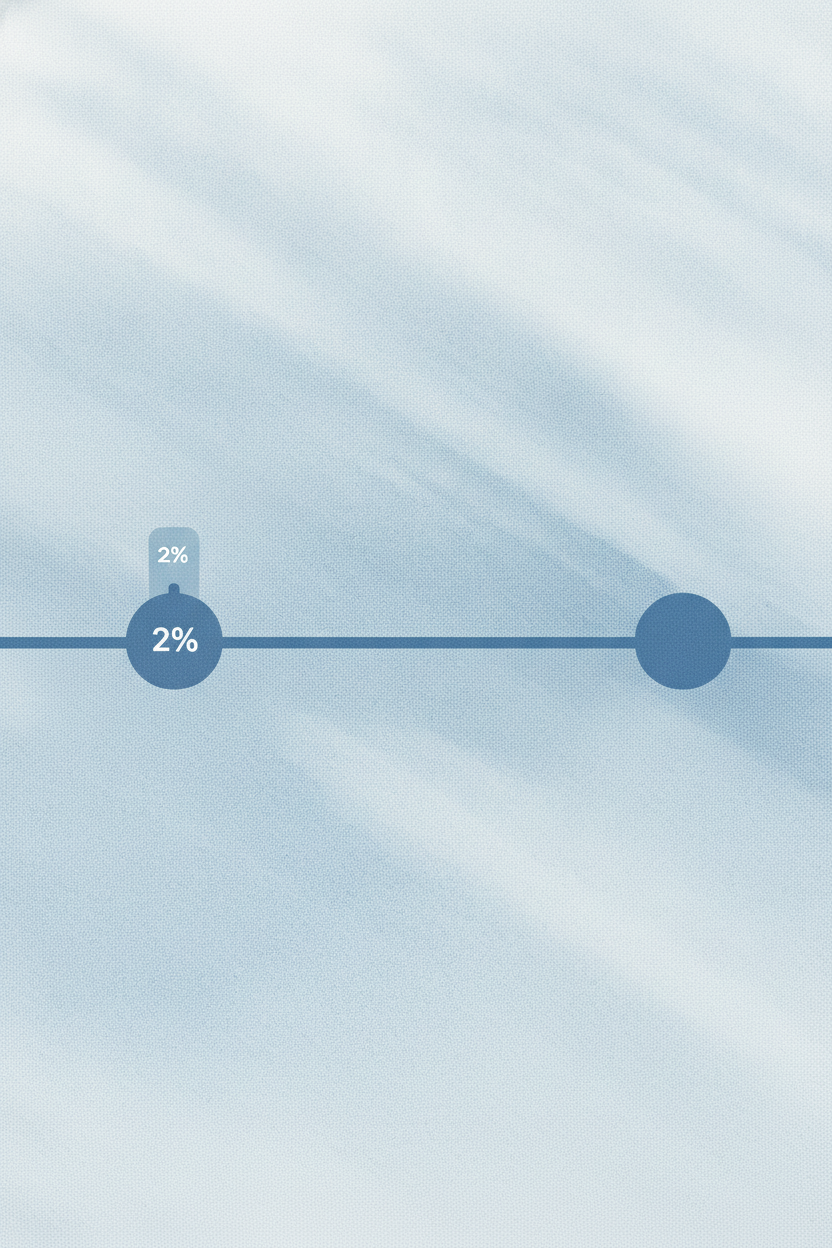
What does 2/10 n 30 mean in accounting exactly? Buyers get a two percent discount for paying within ten days. Otherwise, the full balance comes due in thirty days. Sellers offer these deals to collect cash faster.
Common variations follow the exact same formula:
Term | Discount | Deadline | Full Balance Due |
|---|---|---|---|
2/10 net 30 | 2% | 10 days | 30 days |
1/10 net 30 | 1% | 10 days | 30 days |
3/10 net 30 | 3% | 10 days | 30 days |
2/15 net 30 | 2% | 15 days | 30 days |
1/15 net 45 | 1% | 15 days | 45 days |
Early payment discounts carry a hidden cost. Giving up 2% to collect funds 20 days early works out to an annualized rate of about 36%. That figure comes from 2% multiplied by 18 twenty-day periods in a 360-day year, so weigh that price against the value of faster cash access. The discount can also cause friction when clients deduct it even though they pay close to the standard 30-day deadline.
Here is the math on a $5,000 invoice under 2/10 net 30 terms: the buyer pays $4,900 by day 10, a $100 discount, or the full $5,000 by day 30. In plain terms, the seller pays $100 to get cash 20 days sooner.
Real Costs of Late Payments Under Net 30 Terms
When clients miss deadlines, the damage goes beyond tight cash flow. Enforcing a net 30 late payment penalty steals hours from your week. You spend time chasing checks instead of building your business, which hurts client relationships and stops your growth. Monitor Daily's B2B payment survey coverage shows only 23% of invoices are paid within 30 days.
Today, 56 percent of small businesses wait on unpaid invoices. (QuickBooks 2025 Late Payments Report)
These missing funds average $17,500 per company. The issue runs deep, with 47 percent of businesses carrying invoices overdue by more than 30 days, according to the QuickBooks 2025 Late Payments Report. You cannot hire talent, pay contractors, or open new locations while waiting for last month's revenue to clear.
Net 30 Payment Terms Examples for Contracts and Invoices
A clear net 30 payment contract stops buyer disputes. Define the exact start date. The clock ticks from the invoice date, never the delivery date. Adding approved payment networks and late fee rules sets clear expectations.
Standard Invoice Template
Use this net 30 payment terms example business template for your paperwork:
- Invoice Date: April 1, 2026
- Payment Due Date: May 1, 2026
- Invoice Amount: $5,000.00
- Payment Terms: Net 30 (payment due within 30 days of invoice date)
- Accepted Payment Methods: ACH (Automated Clearing House) transfer, wire transfer (international SWIFT wires cost the sender $25 to $65 per transfer, so buyers should expect that fee), check
- Late Payment Penalty: 1.5% per month on overdue balances after May 1, 2026
- Early Payment Discount: 2% discount if paid by April 11, 2026 (2/10 net 30)
Setting Up Late Payment Penalties with Net 30 Terms
Enforcing a net 30 late payment penalty requires setting clear ground rules. You must document your fee structure in a signed agreement before starting any work. Clear upfront communication often prevents delayed checks better than actual fees do. Late fee regulations vary by state, so verify local limits before setting penalties.
Keep these details in mind when drafting terms:
- Standard penalty clauses typically charge 1.5 percent per month on overdue balances, which equals 18 percent per year. That matches a common state ceiling, such as Florida's 18 percent annual interest cap.
- Pointing to an official net 30 payment contract signed before project kickoff gives you legal standing to enforce penalties.
How to Manage Net 30 Terms Without Destroying Your Cash Flow
You can offer flexible options without risking your capital. Clear internal safeguards keep your finances healthy while answering buyer requests.
Implement these tactics to protect your daily cash flow:
- Run credit checks before finalizing a net 30 payment contract to verify new clients pay on time.
- Send polite payment reminders three days before the deadline strikes so buyers remember their net 30 days payment terms.
- Start new clients on net 15 or due on receipt, and move them to net 30 only after two on-time payments.
- Cap your total net 30 exposure at the amount your cash reserves can cover for 60 days, the same cushion that keeps a single large invoice manageable.
Moving Beyond Net 30 with Real Time Payments and a Payouts API
Waiting for earned funds creates cash flow bottlenecks, which is why net 30 works poorly for contractors and marketplace sellers who need to cover rent and supplies now. Your client can keep net 30 with you while you pay your own workers the day the work is approved. Real time payment rails such as FedNow, the Federal Reserve's instant payment service, make that possible. With a payouts API (application programming interface), you send money immediately instead of waiting on a standard ACH batch cycle.
We give your payees instant access to their cash. Our infrastructure moves funds through over 300 payment rails across 190 countries, so contractor payouts arrive in seconds instead of after a 30-day wait. Automated payouts tied to approved work also remove the manual tasks of tracking due dates, cutting checks, and chasing failed transfers, which keeps your cash reserves free for growth.
Final Thoughts on Payment Terms and Cash Flow
Net 30 works well for creditworthy buyers with a proven payment history, but it strains your cash flow when you extend it broadly. Early payment discounts and payouts automation, paying your own contractors immediately across 190 countries, offset that strain without forcing you to drop the term entirely. Look at each buyer relationship on its own before defaulting to net 30. Schedule a quick call to see if instant payments fit your business model.
FAQs
What does net 30 mean on an invoice?
Net 30 means payment is due in full within 30 days from the invoice date, not the delivery or receipt date. The clock starts ticking the moment you issue the invoice, and buyers must pay the total amount owed within that window.
Net 60 vs net 30: which payment terms should I offer?
Net 30 is the most common B2B payment term and matches what most buyers expect. It still means funding the work for a month, but net 60 gives buyers an extra month and doubles your working capital risk. Choose net 60 only for long-term clients with proven payment histories; otherwise, stick with net 30 as the lesser risk and pair it with the cash flow safeguards above.
What does 2/10 n 30 mean in accounting?
Buyers receive a 2 percent discount if they pay within 10 days; otherwise, the full invoice amount is due in 30 days. This early payment discount helps sellers collect cash faster by incentivizing prompt payment.
Why is net 30 bad for small businesses?
Net 30 forces you to act as a bank by fronting all material and labor costs while waiting 30 days to collect payment, which destroys cash flow. According to the QuickBooks 2025 Late Payments Report, 56% of small businesses are owed money from unpaid invoices, averaging $17,500 each, which can keep them from hiring talent, paying contractors, or growing operations.
Can I avoid net 30 terms when paying contractors?
Yes. Instant payout APIs let you send payments immediately through over 300 rails across 190 countries, bypassing traditional net 30 delays entirely. This approach eliminates cash flow bottlenecks for both you and your payees by moving funds in seconds instead of weeks.
Is net 30 standard for all industries?
No. Net 30 is standard in manufacturing, wholesale, and business services, while construction and creative services often use net 15 or milestone payments. Retail, fashion, and energy commonly run net 60 or net 90.
When does the net 30 countdown start?
By default, the countdown starts on the invoice date. Some contracts start it at shipment, delivery, or acceptance instead, so name the trigger in writing before the sale.