Payout Dispute Playbook for Creator Support Teams (July 2026)

Failed transfers, frozen accounts, chargeback clawbacks: creator payout disputes cover a lot of ground, and no two tickets look exactly the same. Your support team needs more than good intentions to close them quickly. This payment dispute resolution playbook gives you the structure to move from chaos to a consistent, repeatable process.
TLDR:
- Creator payout disputes fall into 6 categories: missing payouts, failed transfers, miscalculations, holds, chargebacks, and tax withholding.
- Triage every ticket by collecting dispute type, transaction ID, payout method, amount, and last successful transfer date.
- The IRS withholds 30% from international payees lacking a valid W-8BEN form, which drives most earnings calculation tickets.
- Chargeback fees run $15 to $25 per incident; the issuing bank controls the outcome, not your service.
- Dots automates W-9 and W-8BEN collection before earnings clear, cutting withholding complaints before they reach your queue.
Why Creator Payout Disputes Are a High-Stakes Support Problem
The global creator economy generated $205 to $212 billion in 2024. As daily payment volumes scale, managing creator payout disputes creates a severe support challenge.
Missing earnings trigger immediate panic. Because prompt payments define their livelihood, a single delayed transfer breaks trust. Top creators working across multiple services have no single view of their income sources, which means even a minor discrepancy surfaces immediately. At scale, unresolved disputes compound: support queues fill, creator churn rises, and your service's reputation follows. Getting dispute resolution right is not a support function: it is a retention strategy.
The Most Common Types of Creator Payout Disputes
Before routing creator support tickets, your team needs a taxonomy of creator payout disputes. Friction usually falls into six categories:
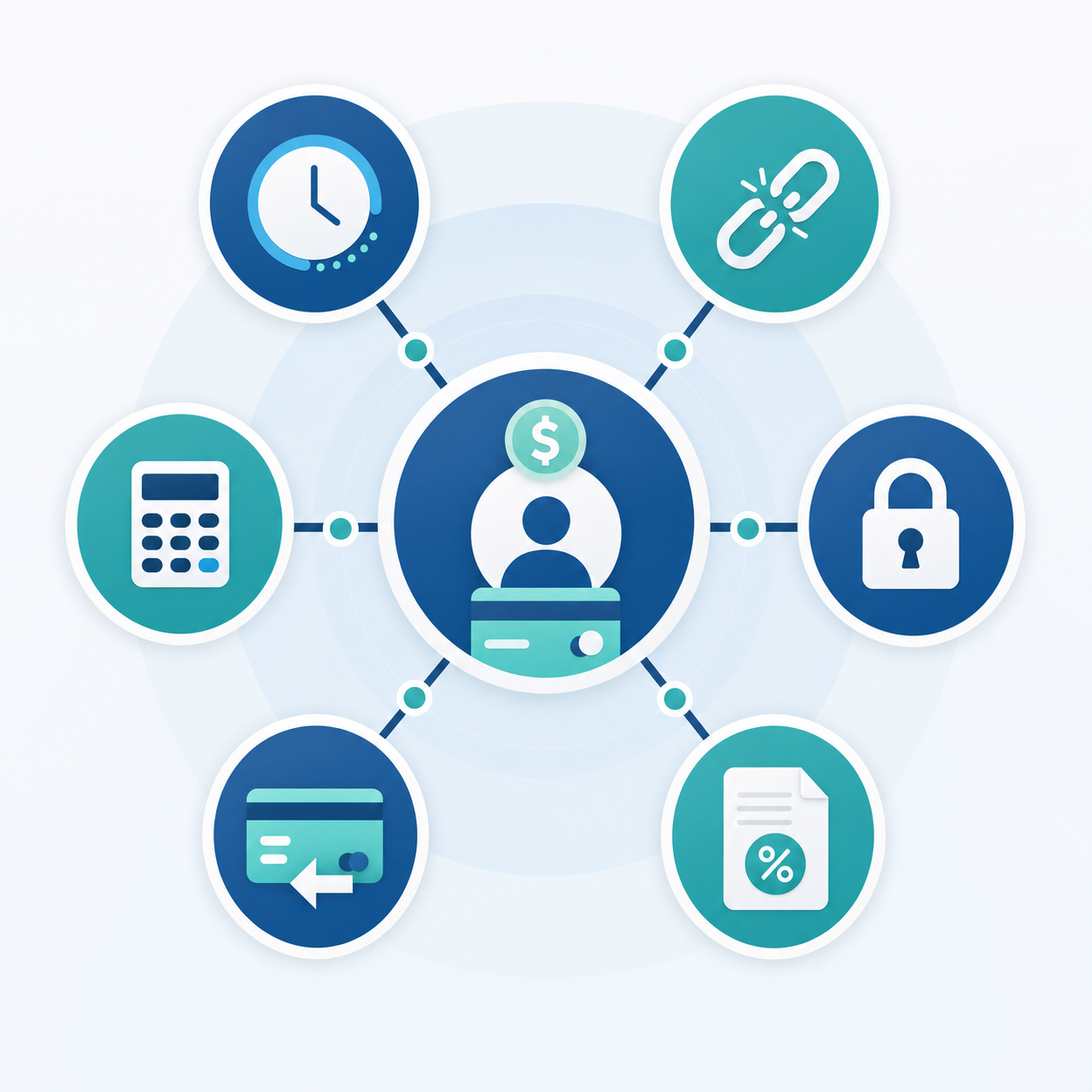
- Missing or delayed payouts
- Failed transfers from bank rejections
- Earnings miscalculations
- Risk system holds
- Chargeback clawbacks
- Tax withholding disagreements
Card networks enforce steep penalties for high dispute rates. Services screen transactions to maintain compliance. When a creator's payout triggers a risk flag: unusual volume, mismatched account details, or a jurisdiction with heightened fraud exposure: your risk system may hold funds automatically. Understanding which category a ticket belongs to before routing it prevents agents from running the wrong diagnostic workflow and extends resolution time unnecessarily.
How to Triage and Classify Incoming Payout Support Tickets
A repeatable intake process brings order to your queue. Managing creator payout disputes requires a structured first-response form. To classify creator support tickets accurately, require payees to submit specific details upfront:
- Dispute type
- Payout method used
- Transaction ID
- Total amount in question
- Date of last successful transfer
Once you collect this data, route requests by urgency. Escalate same-day: any ticket where a creator reports zero accessible balance or a hold that blocks an imminent payment. Route to standard queue: delayed transfers within normal processing windows and minor earnings discrepancies. Flag for compliance review: anything involving tax withholding, risk system holds, or chargeback clawbacks, which require a different set of stakeholders to resolve.
Resolving Delayed and Missing Payout Tickets Step by Step
When payees expect funds that never arrive, your agents need a precise workflow to locate the missing transfer. Equip your team with this standard checklist to process delayed disbursement requests:
- Confirm the user crossed the minimum withdrawal threshold.
- Check for an automatic 5-day payout lock, which services trigger when payees update bank details.
- Verify the receiving account details remain correct and active.
Handling Failed Transfer Disputes
A delayed transfer stalls in transit, while a failed transfer happens when the receiving bank actively rejects the deposit. Managing these creator payout disputes requires a strict workflow for creator support tickets.
When banks bounce payments back to your service, the rejection codes typically isolate one of these root causes:
- Mismatched account holder names or closed destination bank accounts.
- Typographical errors logged in routing or account numbers, where a single transposed digit causes the bank to reject the deposit outright.
- When a bank returns a payment for either reason, ask the creator to verify their account and routing numbers against a recent bank statement, then resubmit corrected details before reissuing the transfer. Monitor for a new rejection code after resubmission. A second failure signals a deeper account-level issue (a closed account or name mismatch) that requires escalation to your payments operations team, not a simple correction and retry.
Resolving Account Hold and Earnings Freeze Disputes
When your service freezes an account, payees lose access to their balance immediately. This triggers intense frustration. Support teams managing creator payout disputes must explain risk mechanics to angry users.
If a subscriber reverses a transaction, you absorb a chargeback fee running $15 to $25 per incident. To mitigate financial exposure, risk departments hold a portion of funds in a rolling reserve for 30 to 90 days after each transaction clears. The reserve acts as a buffer against future chargebacks and fraud losses: funds sit inaccessible to the creator until the hold period expires. When a creator contacts support about a frozen balance, confirm whether the hold is a rolling reserve delay or a compliance flag: the resolution path and estimated release timeline differ substantially between the two.
Managing Chargeback and Clawback Disputes
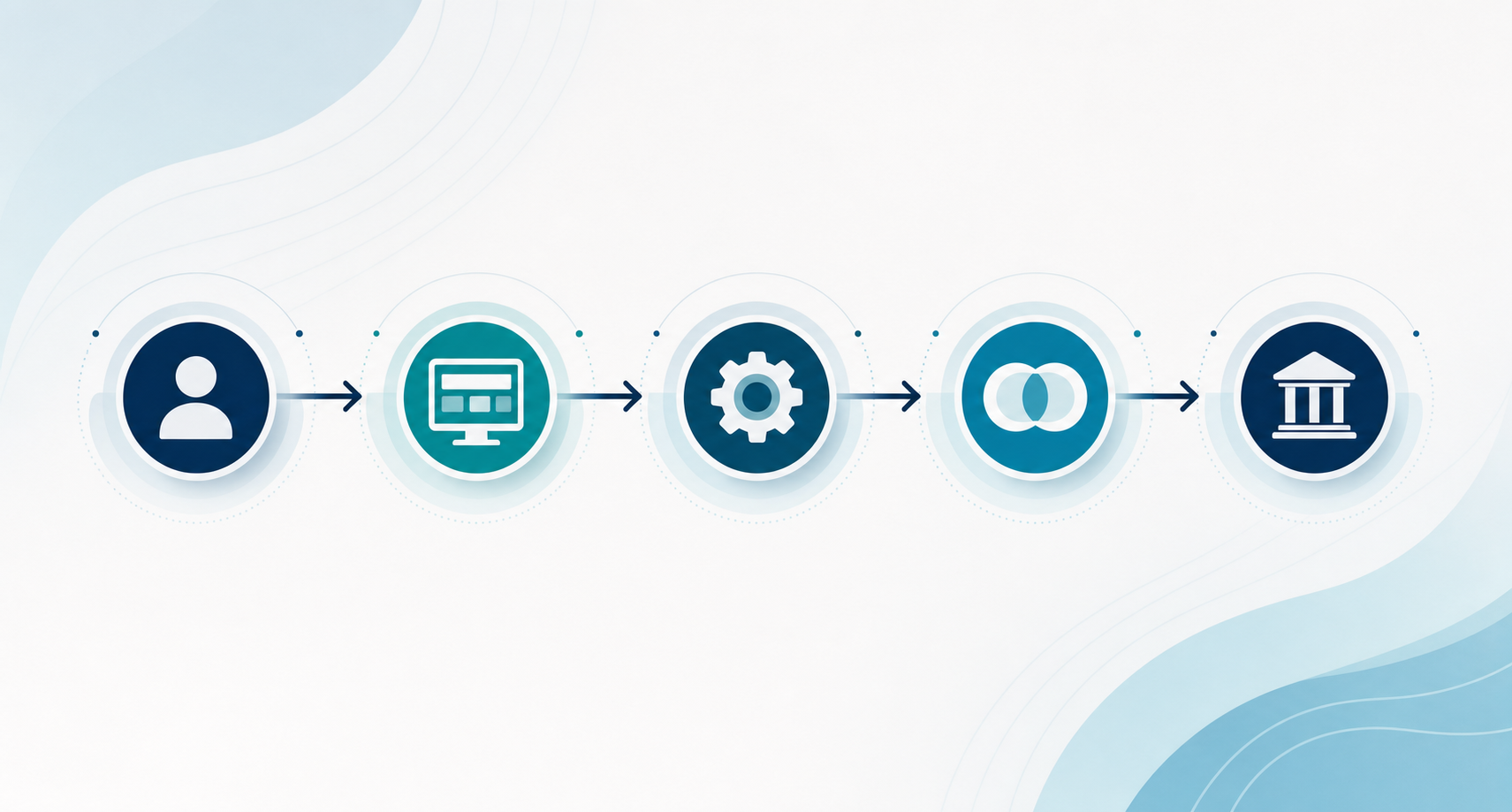
When a buyer reverses a transaction, funds disappear from a payee's balance, triggering creator payout disputes. To resolve these creator support tickets, your team must explain the chargeback lifecycle. Five parties touch this workflow: the creator, your service, the payment processor, the card network, and the issuing bank.
Payees often assume your service controls the outcome, but the issuing bank holds total authority over the final ruling. Your role is to submit compelling evidence: transaction logs, delivery confirmations, and signed agreements, within the dispute window the card network defines, typically 7 to 30 days. Once the bank issues its ruling, neither your service nor the payment processor can override it. Set that expectation clearly in your first response to the creator so they understand the timeline and who controls the verdict.
Tax Withholding and Earnings Calculation Disputes
When a payee expects $1,000 but receives $700, they immediately file creator support tickets. Missing funds usually stem from incomplete compliance profiles.
The IRS mandates a default 30% backup withholding on US-sourced income for international payees lacking a valid W-8BEN form (Certificate of Foreign Status). On a $5,000 earnings payment, that withholding removes $1,500 before the creator receives anything, with no advance warning. The fix is collection at onboarding, not after the fact. Require international payees to submit a valid W-8BEN before their first payout clears; once the form is on file, the withholding obligation is met and the deduction disappears from future payments.
Building a Dispute Prevention Framework
After mastering reactive tactics, your team needs a prevention strategy. Cut inbound creator support tickets by removing payment friction before payees complain.
To stop users from opening creator payout disputes, build transparency directly into your service using four design choices:
- Define deliverables and payment schedules clearly using standardized agreement templates.
- Build earnings dashboards showing pending versus available funds with exact clearance dates.
- Send proactive notifications the moment a hold triggers, a transfer fails, or a clearance date moves: give creators a status update before they open a support ticket.
How Dots Helps Creator Services Reduce Payout Dispute Volume
We built Dots to resolve friction before it escalates into creator payout disputes. Moving $3bn+ to over 1 million payees gives us direct experience handling common failure modes.
Dispute Trigger | Resolution Mechanism |
|---|---|
Withholding complaints | Dots Tax automates W-9 and W-8BEN collection before earnings clear. |
Premature payout releases | Dots enforces configurable payout schedules and minimum withdrawal thresholds, preventing funds from clearing before the hold period expires. |
Failed transfers | Dots validates account and routing details before initiating disbursements, catching mismatches at entry instead of after a bank rejection. |
Chargeback clawbacks | Dots maintains rolling reserves and real-time transaction logs so evidence submission stays within card network dispute windows. |
Final Thoughts on Handling Creator Payout Disputes at Scale
The best dispute resolution is the one that never has to happen. Proactive payee communication, accurate tax collection, and real-time earnings visibility cut inbound volume before your support queue fills up. Your team will still handle edge cases, but with the right framework, those cases get easier to resolve fast. Get in touch with Dots if you want to see how we handle this for services moving payments at scale.
FAQ
What are the most common types of creator payout disputes support teams need to handle?
The six categories that generate the most creator support tickets are missing or delayed payouts, failed transfers, earnings miscalculations, risk system holds, chargeback clawbacks, and tax withholding disagreements. Classifying each ticket into one of these categories before routing it cuts resolution time and prevents agents from running the wrong diagnostic workflow.
How do I stop creators from opening payout disputes before they escalate to support?
Build transparency directly into your service: publish earnings dashboards showing pending versus available balances with exact clearance dates, send proactive notifications when holds trigger, and use standardized agreement templates that define payment schedules upfront. Removing information gaps is the single highest-impact move because most creator payout disputes start with a creator who cannot tell whether a delay is normal or a failure.
What triggers the IRS 30% backup withholding on creator payouts, and how can platforms avoid it?
The IRS applies a default 30% withholding rate to US-sourced income paid to international creators who have not submitted a valid W-8BEN (Certificate of Foreign Status). On a $5,000 earnings payment, that withholding removes $1,500 before the creator ever sees it, which immediately generates a creator support ticket. Dots Tax automates W-8BEN collection before earnings clear, so the withholding obligation is met at onboarding, not surfaced after the first payout.
Can a payment dispute resolution service like Dots handle both domestic and international creator payout disputes in one system?
Yes. Dots routes payouts through 300+ rails across 190+ countries and bundles tax compliance, KYC (Know Your Customer) onboarding, and payee support under a single contract, so the dispute surface shrinks regardless of where a creator is based. For international creators, Dots handles W-8BEN collection, India-specific TDS (Tax Deducted at Source) calculation under Section 194J, and PAN (Permanent Account Number) card verification, consolidating compliance steps that would otherwise generate separate failure points and separate support tickets.
Tipalti vs. Dots for creator payout dispute resolution: which handles creator support directly?
Tipalti is built as an accounts-payable suite for finance teams, which means payee-facing support still falls back on your internal team. Dots bundles 24x7 recipient support so creators talk to Dots directly when a payout fails, reducing the volume of creator support tickets your team absorbs and cutting the back-and-forth that extends dispute resolution time.